Nvidia reinstates Jensen Huang as CEO after Trump administration intervenes
Nvidia's board unanimously brought back Jensen Huang less than two weeks after he resigned, as he prepares to face congressional questions next week tied to a reported Chinese intelligence concern.
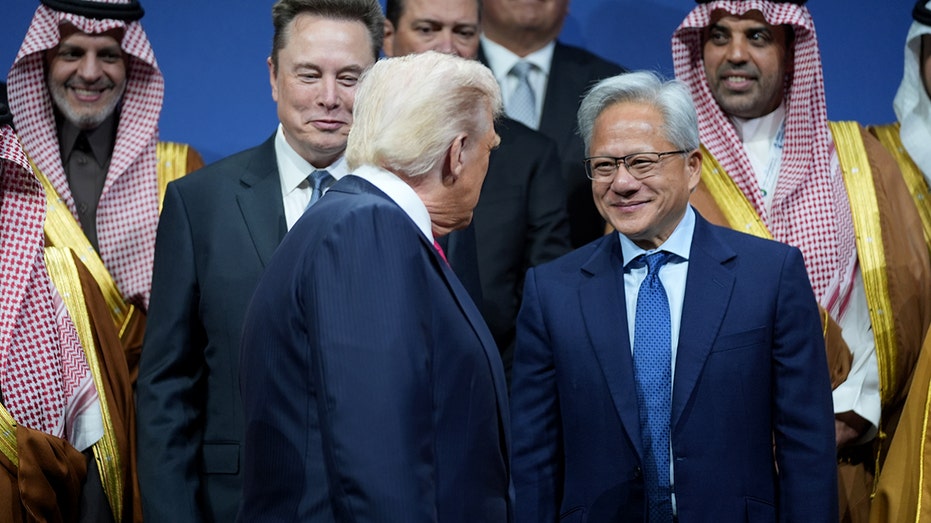
The full story
Here is the full story. Nvidia's board voted unanimously on Monday to reinstate Jensen Huang as chief executive of the chipmaker, less than two weeks after he resigned. The company said the board was satisfied with Huang's candor and his ability to lead after a series of discussions, and that it had received input from senior levels of the U.S. government. Nvidia shares rose more than 30% that day, partly recovering from a recent decline.
Huang resigned earlier this month after reports of an extramarital relationship with Alice Huang, a Chinese businesswoman and former executive at Singapore-based Megaspeed International. The New York Times reported that U.S. intelligence identified her as a suspected Chinese intelligence asset operating under corporate cover. Jensen Huang apologized to his family and to Nvidia employees for being unfaithful to his wife, and reports tie that admission to the relationship. Megaspeed has separately faced scrutiny over allegations that it helped route restricted Nvidia chips to China. Nvidia's board opened an independent investigation into whether Huang had been targeted by a foreign intelligence operation. Public reporting has not established that Huang is the subject of a criminal investigation or that he committed a crime.
Trump publicly pressed the board to bring Huang back, arguing that the company's leadership matters to America's position in the global race over artificial intelligence. He said he intervened personally and assured the company that the executive branch did not believe Huang's return posed a national security risk. A source familiar with the matter told Fox News that Trump and Vice President JD Vance worked over the weekend on the reinstatement after receiving security briefings that convinced them Huang was not a threat in the role, and that Vance urged Silicon Valley figures and Nvidia executives to push the board. Trump has also floated the idea of the federal government taking an equity stake in Nvidia, similar to its investment in Intel.
In an interview with the New York Post on Tuesday, Trump said a pardon for Huang was "always an option," though he said he did not believe one would be needed. He said Huang did not need to invoke his Fifth Amendment rights before Congress. "I don't think he needs to take the Fifth," Trump said, adding that he wanted Huang to tell the truth and that he had always found him to be "100% aboveboard." Trump said he had not looked into the details of Huang's reported relationships but understood Huang had not been involved with other women with questionable ties to Beijing. Attorney General Todd Blanche said on Tuesday that officials should not treat unverified reporting from leaked intelligence as established fact.
Democrats criticized the intervention. Rep. Robert Garcia of California, the top Democrat on the House Oversight Committee, pointed out that Trump owns Nvidia stock; the Washington Post, reviewing Trump's disclosures, put his holdings at between $13 million and $62 million. "We must investigate these actions. No president who has invested in a private company should be involved in their board decisions," Garcia said. House Minority Leader Hakeem Jeffries wrote that Democrats would not allow national security "to be sold out by the Trump Administration for personal financial gain." Eric Schiffer, chairman of Reputation Management Consultants, defended the move as within a president's national security duties and called it "the lightest form of power," while warning that it could set a precedent a future Democratic administration might use. The White House and the vice president's office did not immediately respond to requests for comment.
Huang is scheduled to sit for a closed-door, transcribed interview on December 1 with the House Intelligence and Foreign Affairs committees and the Select Committee on China. Nvidia General Counsel Tim Teter is set to meet the same committees on December 2, and Huang is due to testify publicly on December 3 before the Senate Banking Committee, chaired by Sen. Tim Scott. The House panels want answers on how advanced American chips reached Chinese actors, on the possible involvement of a Chinese intelligence asset, and on whether the company complied with U.S. export restrictions.
Reported by
Get this email every day
Sign up below to get this news email in your inbox every day.
Other news / Full articles
 CIA and intelligence office find breach exposing unclassified data
 Kilmar Abrego Garcia leaves the United States for Spain under sealed agreement
 Trump pardons Thanksgiving turkeys Freedom and Feathers at the White House
 Treasury sanctions more than two dozen targets in Iran's shadow banking network
 Court unseals redacted warrant filings in federal investigation of Rep. Ilhan Omar
 Appeals court clears Army to detonate degraded explosives at Iowa ammunition plant