CIA and intelligence office find breach exposing unclassified data
The CIA and the Office of the Director of National Intelligence discovered an intrusion into an open-source intelligence network that exposed some unclassified information, officials said classified systems were unaffected.
The full story
Here is the full story. The Central Intelligence Agency and the Office of the Director of National Intelligence have discovered a cybersecurity breach that exposed some of their unclassified information, according to U.S. officials and people familiar with the matter. The New York Times first reported the intrusion on Tuesday.
The hackers reached a network that intelligence officials use to collect and analyze open-source intelligence, meaning material drawn from public and commercial sources such as social media posts, satellite imagery and commercially available data sets. Officials have not said what specific information was accessed, who carried out the intrusion or how the attackers got in. Information held by other government agencies is also believed to have been exposed, according to two people familiar with the breach. A person familiar with the incident said the problem has been resolved and that no classified information was involved.
Asked about the breach, the ODNI said there had been "no disruptions to critical capabilities or classified systems." The CIA declined to comment or did not respond to requests. Fox News, citing multiple sources, reported that the CIA, the ODNI and the FBI were all breached on the same day last week. It remains unclear whether the intrusions are connected. Two Pentagon officials told Fox News that the Department of War was not breached.
In March 2024 the CIA and the ODNI unveiled a three-year strategy to modernize how the intelligence community collects and analyzes open-source intelligence, calling for more information sharing, new technology and better collection practices.
The breach follows a string of cyber incidents and technology outages across the federal government. The FBI is investigating an intrusion into its National Crime Information Center, a nationwide database that local, state and federal law enforcement agencies use to share information on wanted people, missing persons, registered sex offenders, protective orders and stolen property. Fox News chief national security correspondent Jennifer Griffin reported that the FBI breach was more serious than the CIA one. Asked about the FBI incident in a Fox News phone interview on Saturday, President Donald Trump said: "I will say that it's not good — I don't like that." The Department of Agriculture also took a number of internal applications offline last week after discovering a cybersecurity incident that led officials to reset database passwords. Separately, the National Security Agency's internal classified communications network was disrupted last week. An NSA spokesperson said the agency "experienced temporary degradation during scheduled routine maintenance," and the agency said mission-critical capabilities stayed operational with backups in place. It has not called the outage a cyberattack.
Other recent disruptions have been blamed on technical failures rather than hacking. The Federal Aviation Administration halted flights nationwide on Nov. 13 for about four and a half hours after a telecommunications malfunction hit communications and radar at 17 of the country's 22 major air traffic control centers. Transportation Secretary Sean Duffy said the cause was aging equipment and a router malfunction during an upgrade in El Dorado, Arkansas, and that investigators found no sign of foreign hackers. Microsoft blamed a Nov. 12 outage of Outlook, Teams and other services on a network capacity upgrade, and JPMorgan Chase attributed banking disruptions on Nov. 16 to a software bug, saying it was not cyber-related. The wave of outages has drawn concern from both parties in Congress about the state of the nation's threat detection.
The incidents have come during a leadership change. Trump backed the firing of national cyber director Sean Cairncross over concerns about his lack of cybersecurity experience and tapped Director of National Intelligence Jay Clayton to serve as acting national cyber director. Speaking on Sunday television, Clayton said some recent outages stemmed from upgrades to outdated infrastructure and that "The need to improve our digital infrastructure is clear." He said cyber incidents reported to the FBI have risen to about a million a year from a 2020 level that he put at almost 800,000, according to one account, and about 750,000, according to another. "Cyberprobing, cyberincidents, they have been part of the American economy, part of the American life for a long time," Clayton said, adding that the FBI was handling its breach through normal procedures. The full scope of the CIA and ODNI breach remains unclear.
Reported by
- The Daily Signal: CIA, ODNI Suffer Cybersecurity Breach of Some Unclassified Information, NYT Reports
- Fox News: CIA hit by cyber breach that exposed unclassified data on intelligence analysis network: sources
- The Daily Wire: Add The CIA To The List Of Hacking Victims
- Breitbart: CIA Suffers from Cybersecurity Breach of Unclassified Information
- Daily Caller: Even The CIA Can’t Withstand The Tidal Wave Of Cyber Attacks
Get this email every day
Want the day's top story in your inbox each morning? Enter your email address below to sign up.
Other news / Full articles
 Kilmar Abrego Garcia leaves the United States for Spain under sealed agreement
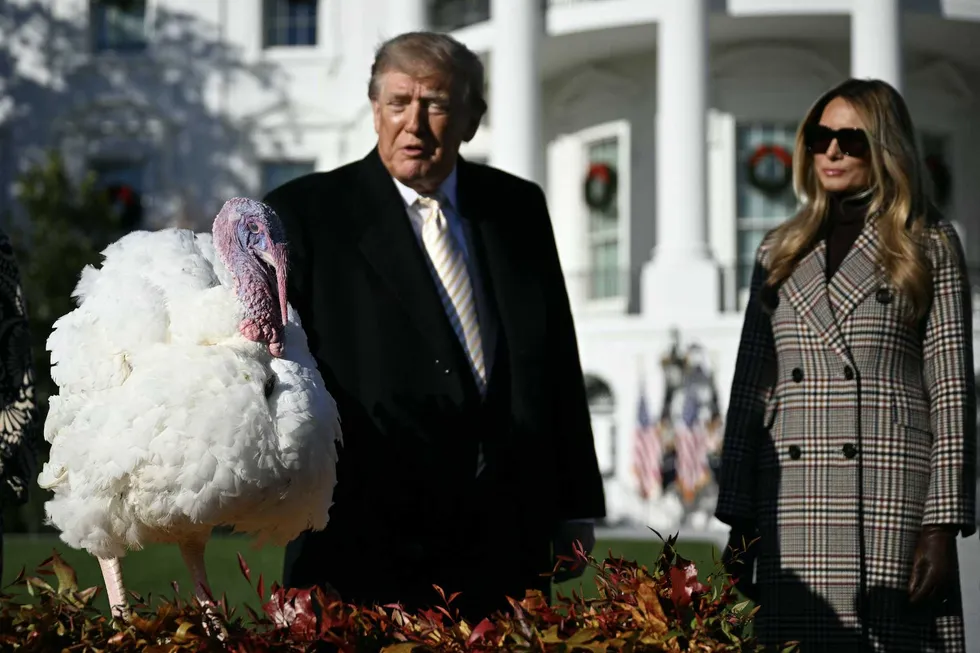 Trump pardons Thanksgiving turkeys Freedom and Feathers at the White House
 Treasury sanctions more than two dozen targets in Iran's shadow banking network
 Court unseals redacted warrant filings in federal investigation of Rep. Ilhan Omar
 Appeals court clears Army to detonate degraded explosives at Iowa ammunition plant
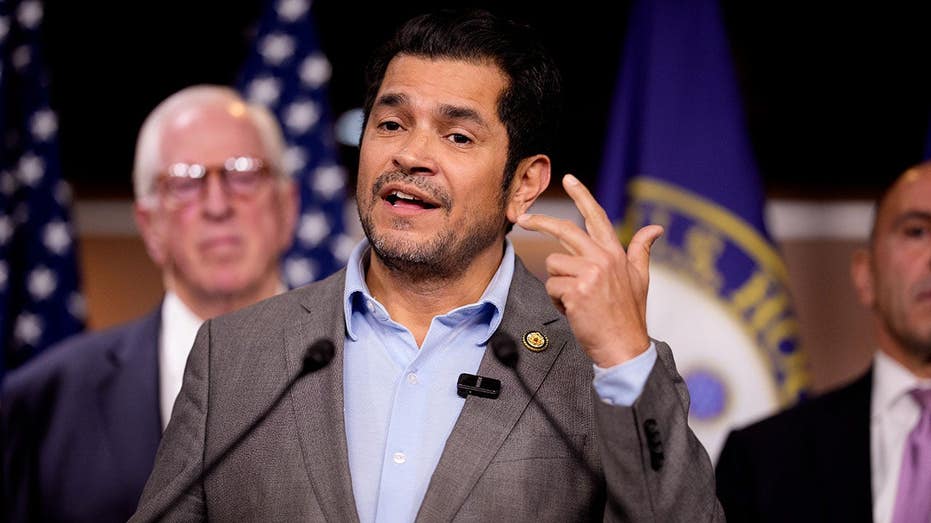 Rep. Jimmy Gomez to resign after House Ethics report finds sexual misconduct