Commerce Department rule blocks Chinese remote access to Nvidia chips abroad
A new rule ending Chinese firms' remote access to advanced Nvidia chips in overseas data centers has left sellers searching for buyers as scrutiny of Nvidia's partners grows.

The full story
Here is the full story. The Trump administration has moved to close a gap in U.S. export controls that let Chinese companies use advanced Nvidia chips without ever taking delivery of them. A new rule from the Commerce Department's Bureau of Industry and Security bars Chinese firms from renting remote access to the hardware through data centers in other countries. The agency announced the interim final rule on November 16, and it took effect on November 19.
The effect on the chip market was quick. Sellers that had lined up advanced Nvidia processors for data centers where Chinese companies could rent computing power are now trying to unload that stock. Jack Duhamel, president of the AI infrastructure marketplace GPU Mart, said the jump in chips for sale is directly tied to the change in how China can remotely reach them. He and one other source said offers covering thousands of Nvidia B300 GPUs have circulated in the days since the rule was announced.
In its statement, the bureau said progress in cloud computing has made it increasingly possible to reach advanced American computing power remotely, including through data centers outside countries covered by U.S. export restrictions. The agency said the rule brings protections on remote access in line with the controls that already govern physical shipments of sensitive technology, and that the United States wants American technology adopted for legitimate commercial uses without it being exploited in ways that threaten national security. U.S. Trade Representative Jamieson Greer said on CNBC that Washington has long refused to allow direct sales of Blackwell chips, which he called "the highest AI chips," to China. "Some rules were issued by the Commerce Department last week to close off indirect access, either smuggling through places like Southeast Asia or remote access from data centers in third countries," he said.
Concern over indirect access has built for months. In July, U.S. officials accused the Chinese AI lab Moonshot AI of reaching Nvidia chips through a facility in Thailand, and the company was later reported to have also sought access through data centers in Europe. Congress is weighing the Remote Access Security Act, which would give the federal government broader authority over access to cloud services. It has passed the House but has not yet come to a vote in the Senate. Nvidia has told customers that the bill would expand federal control over cloud access.
Questions are also mounting over who buys Nvidia's chips at home. According to a CBS News report drawing on corporate filings gathered by the security analysts at C4ADS, Chinese parent companies control at least two of Nvidia's U.S.-based partners. One is RiCloud AI of San Jose, which Nvidia lists as a preferred partner with priority access to Blackwell chips, software and support; Nvidia counts such sales as U.S. business. RiCloud's parent is Yuxing InfoTech, a Shenzhen company listed in Hong Kong whose chief executive and co-owner, Cong Yu, holds a degree from the People's Liberation Army Command College. Its chairman, Li Qiang, formerly chaired Global Switch, a data center company that Australia's Department of Defense dropped in June 2024 over national security concerns. RiCloud received partner status 10 weeks after incorporating in late 2025 and this year signed a $120 million deal to lease 300 B300 servers to a Taiwanese company mainly known for selling whisky. No U.S. agency has accused RiCloud or Yuxing of breaking rules, and Nvidia has not answered questions about what checks it ran before granting the partner status.
The second is Aivres, which once operated under the name of its Chinese parent, Inspur, and changed its name after the U.S. government blacklisted Inspur entities in 2023. Aivres itself is not blacklisted. A New York Times analysis found it shipped at least $5.6 billion in advanced equipment to Southeast Asia between April 2024 and February 2026, with recipients including Megaspeed and Aolani, which provided cloud AI services to Alibaba and ByteDance. Separately, the Justice Department has charged a Super Micro co-founder over a scheme to smuggle $2.5 billion in servers to Chinese customers, and records link a man charged in a $300 million chip smuggling case to another Nvidia partner, 2CRSi, which has not been accused of wrongdoing.
Nvidia announced Jensen Huang's departure as chief executive earlier this month, and its board unanimously voted to reinstate him on November 23. Mishel Kondi, a senior analyst at C4ADS, called the partner findings "a wake-up call for accountability, for properly resourcing the enforcement bodies."
Reported by
Get this email every day
Want the day's top story delivered to your inbox each morning? Sign up below to get this email every day.
Other news / Full articles
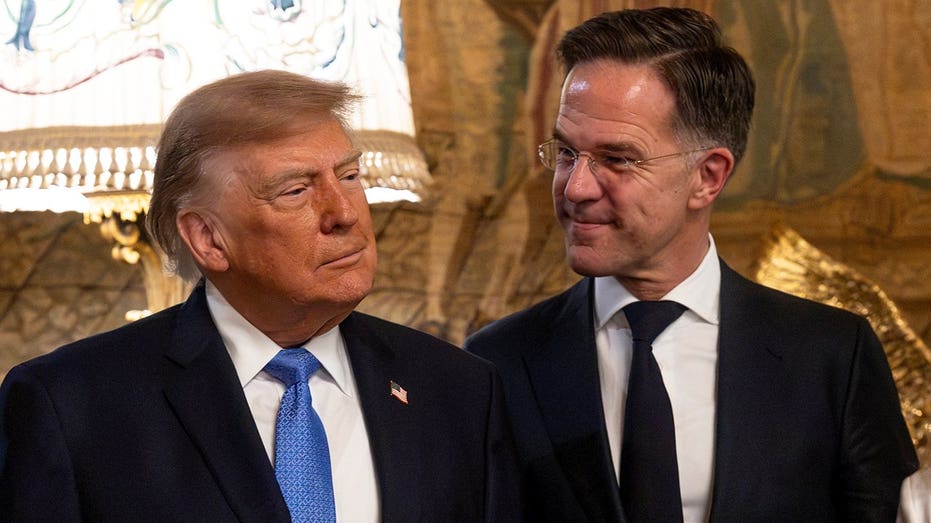 Trump says he urged Putin to end aggression in Europe after meeting NATO chief
 Trump uses Thanksgiving post to target critics, Somali immigrants and deported criminals
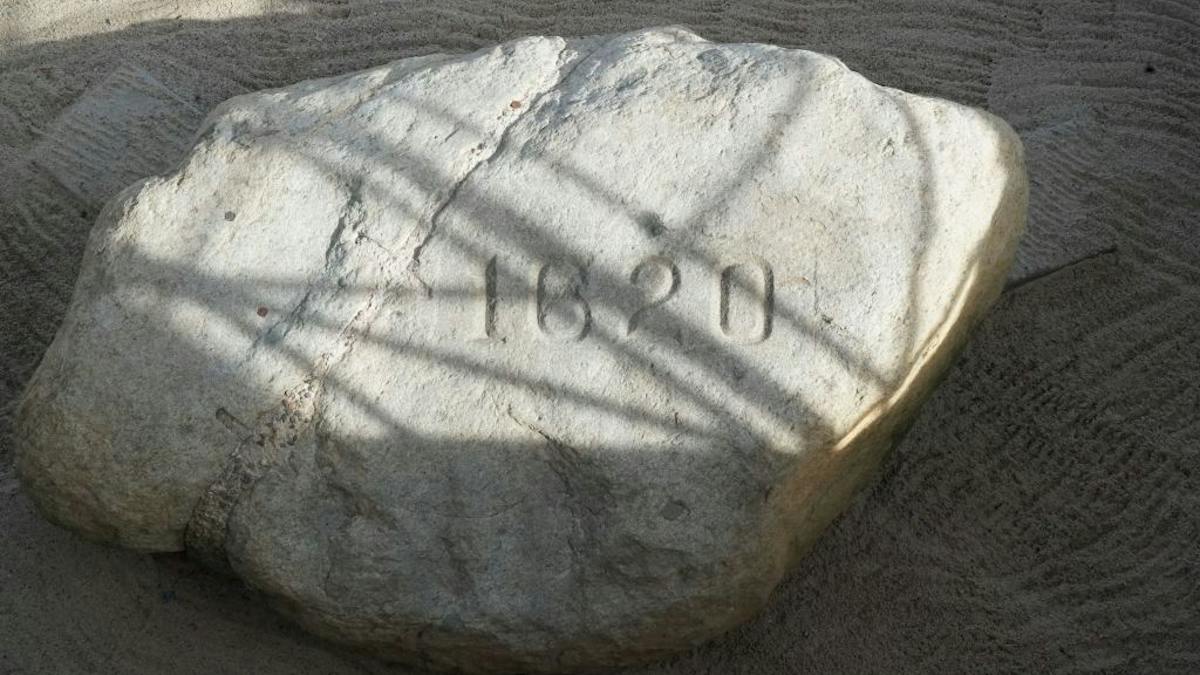 Boston City Council recognizes Thanksgiving Day as a 'National Day of Mourning'
 Republicans split over immigration deal as Democrats prepare to take Congress
 Fed's preferred inflation gauge hits 3.8% in October as spending stalls
 Justice Department orders civil lawyers to help fight migrant detention petitions