Trump threatens 'tremendous tax' on U.S. companies building data centers abroad
President Donald Trump said Friday that American companies building data centers in other countries would face a heavy tax, saying he wants the facilities built in the United States.
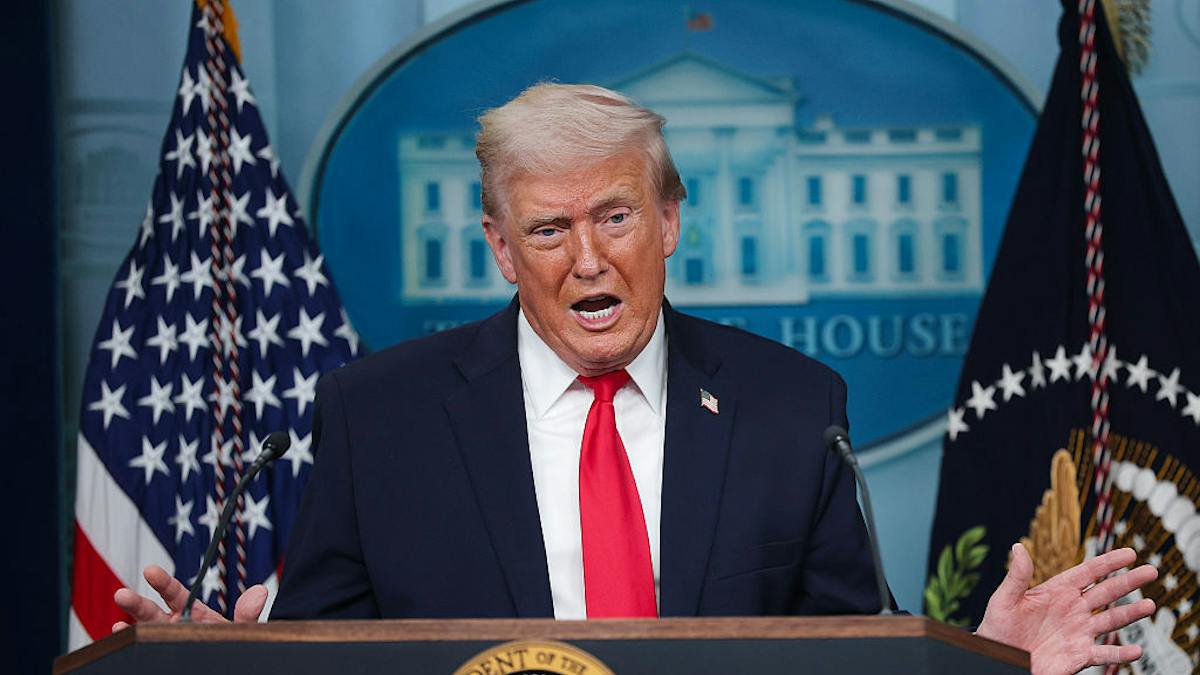
The full story
Here is the full story. President Donald Trump said Friday that American technology companies building artificial intelligence data centers outside the United States would face a heavy tax, saying he wants the facilities that power the AI boom built at home.
"We're not going to allow companies to build data centers in other countries," Trump said at a White House press briefing following his trip to Asia. He added that companies could still do so, but that the government would "put a tremendous tax on them" if they did. "We want them to build it here," he said.
Trump offered few specifics. He did not say how the penalty would be structured, which companies or projects it would apply to, or when it might take effect. He suggested the idea was new even inside his administration. "I haven't even said that to my people," he said, adding that he was telling them now because they were in the room.
The president presented the plan as part of the competition with China over artificial intelligence, which the administration has officially renamed "Super Intelligence." He said Chinese President Xi Jinping had congratulated him on American progress in the field and that the two leaders had agreed to set up "joint guardrails" for its development. "We are leading. We're leading, and they're second. But whoever wins SI, wins," Trump said. He argued that letting U.S. companies build data centers abroad would give other countries, particularly China, an economic edge. "China will take all of them, and we're not allowing that to happen," he said. He singled out a planned data center in Finland, saying the United States would not allow that project to proceed.
Trump pointed companies toward American states with the land and energy to host the facilities. If projects are not welcome in some places, he said, they can go to others. "If they won't go in Texas, and if they won't go in California, they're going to go in West Virginia," he said, adding that many places want them badly. He also urged local leaders to negotiate benefits from developers rather than block projects. He cited a case in Louisiana where, he said, teachers were being paid $50,000, and another place where residents were receiving $10,000 each. A Meta data center under construction in Richland Parish, Louisiana, has led to teacher bonuses of up to $50,000 funded by higher tax revenue from the project. "Make the deal. They have plenty of money. Take it," Trump said. "Make them pay you, make them pay your community, but don't shut them off."
The proposal poses a challenge for large American technology firms, including Alphabet, Amazon, Microsoft, Meta and Oracle, which have all invested in data centers abroad to serve international customers. Building near customers can help companies meet local requirements and deliver cloud computing services more efficiently. At home, data center construction has become a source of political tension. The facilities use enormous amounts of electricity, and residents in some communities have opposed projects over energy costs, water use, noise and effects on nearby neighborhoods. A CNBC survey in October found that 64% of registered voters opposed an AI data center being built within 10 miles of their homes, while 13% supported one.
The administration has taken other steps on data centers. In March, Trump introduced a ratepayer protection pledge meant to keep data centers from passing energy costs on to the communities where they are built; companies that signed it commit to supplying their own power. The Commerce Department also recently issued an interim rule requiring licenses for certain exports and transfers of advanced computing technology to overseas data centers that could provide computing power to entities in China and other designated countries. That rule targets foreign access to sensitive American technology rather than barring U.S. companies from building facilities abroad. No timeline for the proposed tax was given.
Reported by
Get this email every day
Sign up below to get this news email in your inbox every day.
Other news / Full articles
 Trump fires national cyber director as string of tech outages worries lawmakers
 Anthropic shares jump in record-setting Nasdaq debut as wider market falls
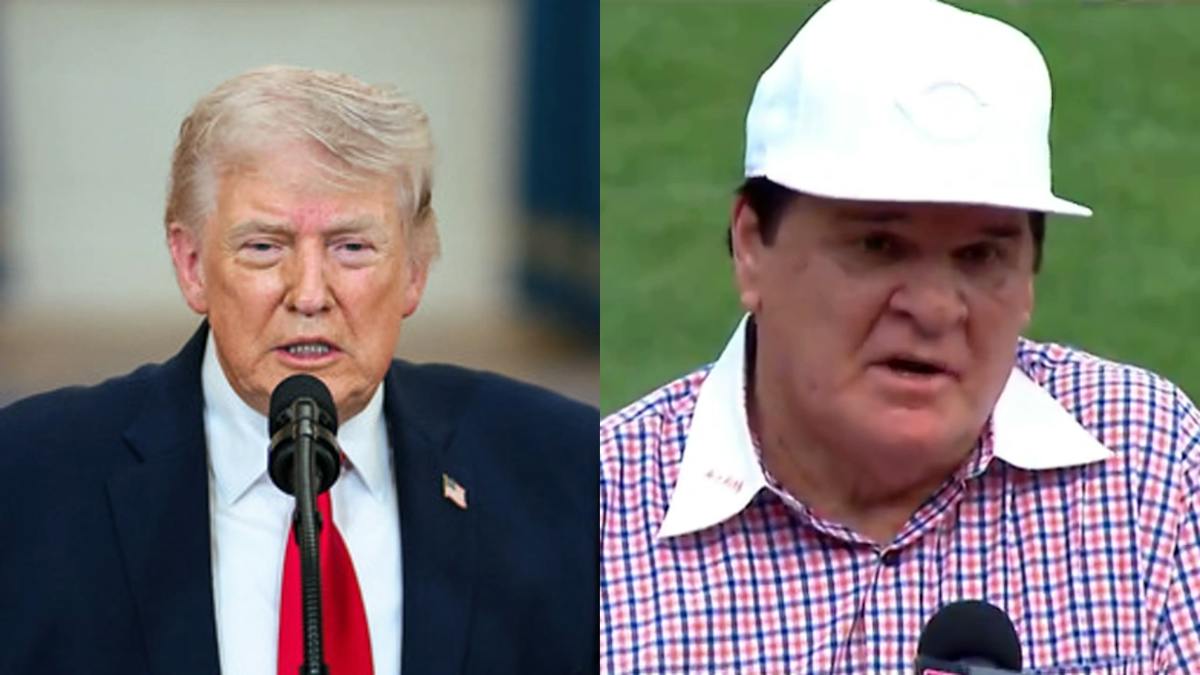 Trump posthumously pardons baseball hit king Pete Rose over 1990 tax conviction
 House Democrats nominate Hakeem Jeffries for speaker in lopsided caucus vote
 National Cyber Director Sean Cairncross out as tech outages disrupt flights, banks and agencies
 Trump, Xi and Putin hold first three-way summit in Shenzhen