White House counsel warns House Democrats over planned oversight subpoenas
White House Counsel William Scharf told incoming Oversight chair Robert Garcia that subpoenas meant to harass officials could cross into criminality, and Garcia rejected the warning.
The full story
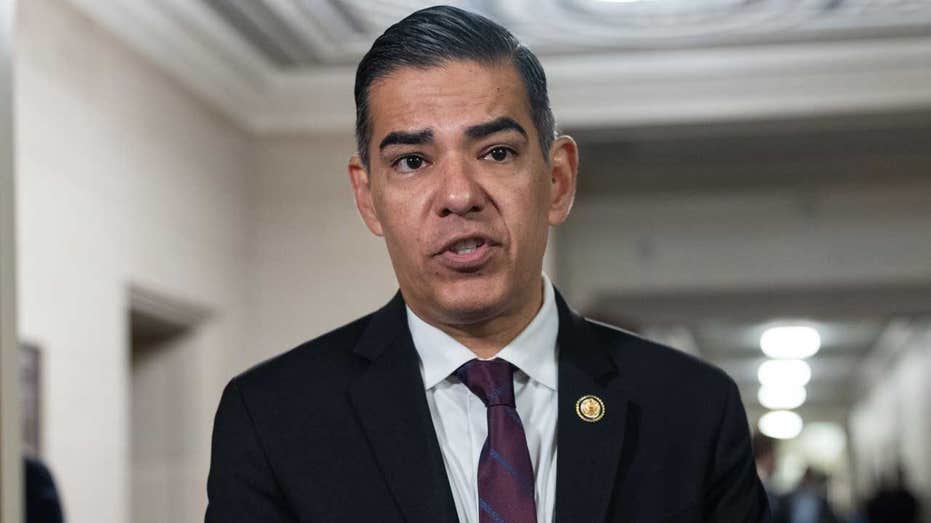
Here is the full story. The White House has put House Democrats on notice that it may treat some of their planned investigations as more than a political fight. In a letter dated November 9, White House Counsel William Scharf told Rep. Robert Garcia of California, the ranking Democrat on the House Committee on Oversight and Government Reform, that the Constitution sets firm limits on congressional investigations and subpoenas. Garcia is set to lead the committee next year, after Democrats won control of the House in the 2026 midterm elections.
Scharf wrote that the White House is "monitoring the abusive and capricious threats" coming from Democratic lawmakers. He argued that public talk of issuing subpoenas indiscriminately, along with threats aimed at officials, showed that coming investigations would be used "to harass and aggrandize" instead of serving a legislative goal. He wrote that threats designed to drive officials out of public service, or process meant only to frighten the people who receive it, "may cross the line into blatant criminality," and that issuing unlawful subpoenas to deprive citizens of their rights "may warrant further investigation."
The letter came about a week after Democrats, in statements and on social media, called for subpoenas and impeachment proceedings against Trump administration officials following the Republican losses. Garcia was quoted as saying that anyone "involved in any way with the Trumps" who is part of an American business is "going to respond to the Congress." Rep. Alexandria Ocasio-Cortez of New York said investigations should be opened on day one into the heads of every agency. Rep. Analilia Mejia of New Jersey said Democrats would "toss out subpoenas like Mardi Gras beads," and Sen. Ed Markey of Massachusetts said new forests would be needed for all the subpoenas Democrats would print. At the time, some observers noted that Republicans had used similar language when calling for investigations of Democratic officials.
Garcia rejected the warning. He said Congress has wide room to investigate as part of its power to make laws, and that this authority comes from the Constitution, not the White House. He said voters chose Democrats to root out corruption and abuse, accused the administration of weaponizing the government with threats of unconstitutional attacks on Congress, and said Democrats "will not be deterred by baseless threats." He also suggested the president has something to hide.
Scharf's letter leans on the 1957 Supreme Court case Watkins v. United States, which held that a congressional inquiry must be tied to a legitimate task of Congress and that investigations aimed only at exposing or punishing people are not valid. Congressional inquiries also have protection under the Constitution's speech or debate clause, which the Supreme Court has held shields lawmakers from court interference when they act within the legitimate legislative sphere.
Legal experts across the political spectrum agreed the White House can contest individual subpoenas but were doubtful about criminal charges. Ilya Shapiro of the Manhattan Institute said the administration can assert privileges, negotiate and challenge subpoenas through legal process, but that prosecutions face a much higher bar. He also said lawmakers promising indiscriminate subpoenas are inviting challenges. Hans von Spakovsky of Advancing American Freedom said Scharf was right about Watkins, but that he was unsure which criminal laws could apply, since federal harassment statutes require physical threats. He said Watkins means courts cannot enforce subpoenas from an improper investigation.
Will Chamberlain of the Article III Project said no law makes oversight a crime and that the letter does not claim one does. He said official investigative work would not be prosecutable, but a separate conspiracy to intimidate federal officers, shown through threats or press releases, could fall under a federal conspiracy statute. Molly Nixon of the Cato Institute said courts do require a legislative purpose, though the limits are less clear than Scharf asserts, and that the letter is not on solid ground in suggesting criminality. Devon Ombres of the Center for American Progress said he could not imagine any criminal statute applying, but expected the administration to fight the subpoenas in court, saying the White House and Justice Department would throw "everything, including the kitchen sink" at them.
Reported by
Get this email every day
Want the day's top story in your inbox every morning? Sign up below to get this email daily.
Other news / Full articles
 Jensen Huang resigns from Nvidia amid affair allegations as senator questions oversight of China chip sales
 FAA nationwide ground stop traced to contractor work as Duffy seeks $50 billion
 Hecklers interrupt Hakeem Jeffries at Democratic 'What's Next' conference in Denver
 Stephen Miller requires counsel approval for White House staff meetings with lobbyists
 Chris Van Hollen challenges Chuck Schumer to lead Senate Democrats
 Son of former CIA Director John Brennan charged with transporting child sexual abuse material