Senate Republicans reelect John Thune as leader after heavy midterm losses
Senate Republicans kept John Thune and his full leadership team on Tuesday, making him minority leader next Congress after a push to delay the vote failed.
The full story
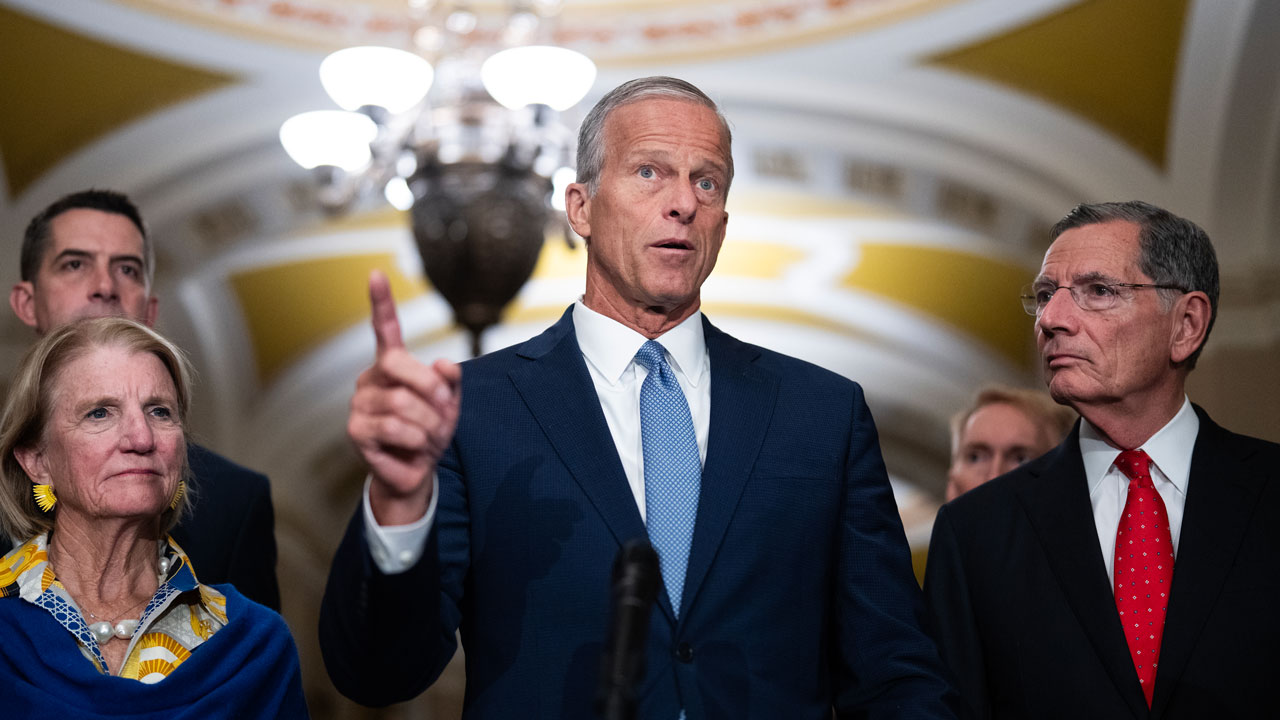
Here is the full story. Senate Republicans on Tuesday reelected John Thune of South Dakota as their top leader, keeping him in charge as the party moves into the minority in the 120th Congress. Thune ran unopposed, and the rest of his leadership team was returned to their posts as well. The decision came one week after midterm elections in which Republicans lost at least seven Senate seats, turning a 53-47 Republican majority into a Democratic majority that could reach 55-45 or 56-44. Races in Mississippi and Alaska were still too close to call, with Democrats leading in both. Republicans also lost in states such as Kansas, South Carolina and Texas.
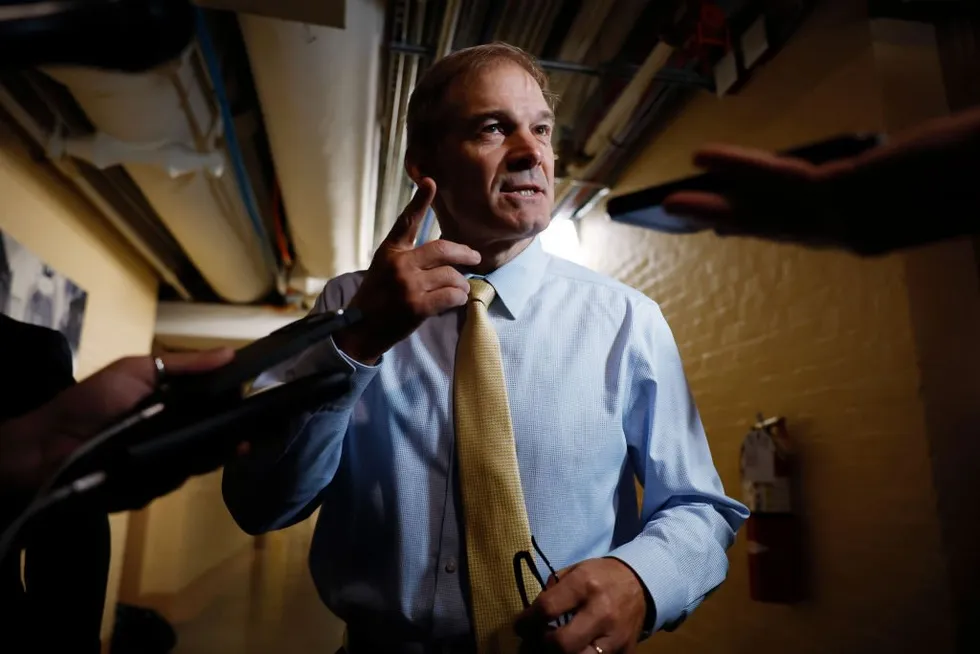
The meeting took place behind closed doors in the Old Senate Chamber and stretched past seven hours. Before the leadership vote, Sen. Ron Johnson of Wisconsin led a bid to delay it. That motion failed 31 to 15. Johnson had said in advance that he would walk out if the elections went ahead, and he did. "I really don't like walking out, but you know that's what I said I was going to do, and I did it," he told reporters.
Johnson was joined in the call for a delay by Sens. Rick Scott of Florida, Ted Budd of North Carolina, Mike Lee of Utah, John Kennedy of Louisiana, Jim Banks of Indiana and Dave McCormick of Pennsylvania. Several of them signed a letter to conference chairman Tom Cotton asking that the vote be put off. Johnson said his objection was to the timing, not to Thune. "This has never been anything against John Thune," he said, adding that he thought Thune had been unfairly attacked by the party's base. "After the stunning defeat, you just can't continue on business as usual," Johnson said. "I mean, that kind of defeat demands change." No alternative candidate came forward, and Rick Scott, who had run for leader twice before, including against Thune, declined to run again. "I think we have to acknowledge the voters are not happy," Scott said. McCormick said in a statement that the party had suffered "the worst election results in decades" and that leadership elections should wait until the lessons of the midterms had been digested and debated.
Thune has drawn criticism from conservatives and from parts of President Donald Trump's base, in particular for not passing the SAVE America Act and for refusing calls to end the filibuster, which sets a 60-vote bar for major bills. Trump stayed out of the contest. "I like John Thune," he said, adding that the decision was up to the Senate and that he wished the chamber could get more done. On Monday, Thune had said he hoped he had his colleagues' backing but that "You never know right until they vote." After winning, he said in a statement posted on X that he valued an "open, honest, and transparent conversation" with colleagues and was honored by their continued support. He said Republicans remain united on conservative priorities, working with Trump and the House, and resisting what he called Democrats' far-left agenda.
Alongside Thune, John Barrasso was reelected whip, Tom Cotton conference chairman, Shelley Moore Capito policy committee chairwoman and James Lankford conference vice chairman. Sen. Bernie Moreno of Ohio, a first-term senator elected in 2024, was chosen to lead the National Republican Senatorial Committee, the party's Senate campaign arm, replacing Sen. Tim Scott after his two-year term. Moreno told reporters Republicans would be "absolute savages" on ending government corruption. Alex Latcham, executive director of the Senate Leadership Fund, praised both Thune and Moreno.
Some senators outside the group seeking a delay also called for a deeper look at the defeat. Sen. Josh Hawley of Missouri said the party needed "a pretty tough family conversation," arguing that voters disliked cuts to Medicaid and rural hospital funding while health costs rose. Vice President JD Vance warned the losses could keep Republicans out of Senate control until at least 2032. Looking ahead, Thune said Republicans are willing to work with Democrats but will not be "rubber-stamping a leftist agenda," and said the election reflected frustration with the cost of living rather than a mandate for radical policy. Democrats are expected to use their new power to open investigations, force impeachment votes and send bills to Trump. Republicans still hold power for a few more weeks in a lame-duck session that includes a government funding deadline.
Reported by
- The Daily Signal: Senate Republican Walks Out as GOP Leadership Fight Comes to a Head
- TheBlaze: John Thune will continue leading Senate Republicans despite mini-revolt against him
- Fox News: Senate GOP rebellion fizzles as Thune keeps power despite historic midterm massacre
- The Daily Wire: GOP Senators Stick With Thune Despite Calls For Post-Election Reckoning
- Breitbart: Senate Republicans Elect John Thune Minority Leader Despite Historic Electoral Losses
Get this email every day
Sign up below to get this news email delivered to your inbox every day.
Other news / Full articles